Founders treat sleep, movement, and meals as personal problems. They are not. They are operating inputs, the same category as cash and headcount, and a desk job erodes all three quietly. The honest takeaway: the basics of lifestyle medicine — sleep, regular movement, and eating patterns — have broad mainstream support, but any specific routine you adopt has to survive your actual calendar, not an ideal one.
One caveat up front. This is information, not medical advice. If you have a health condition, the person to set targets is your doctor, not a productivity newsletter. What follows is a plain map of what the field asks for and how to make it fit startup life. For related coverage, see Open-Core, Cloud, or Support: How Open-Source Startups Actually Make Money.
What is lifestyle medicine, exactly?
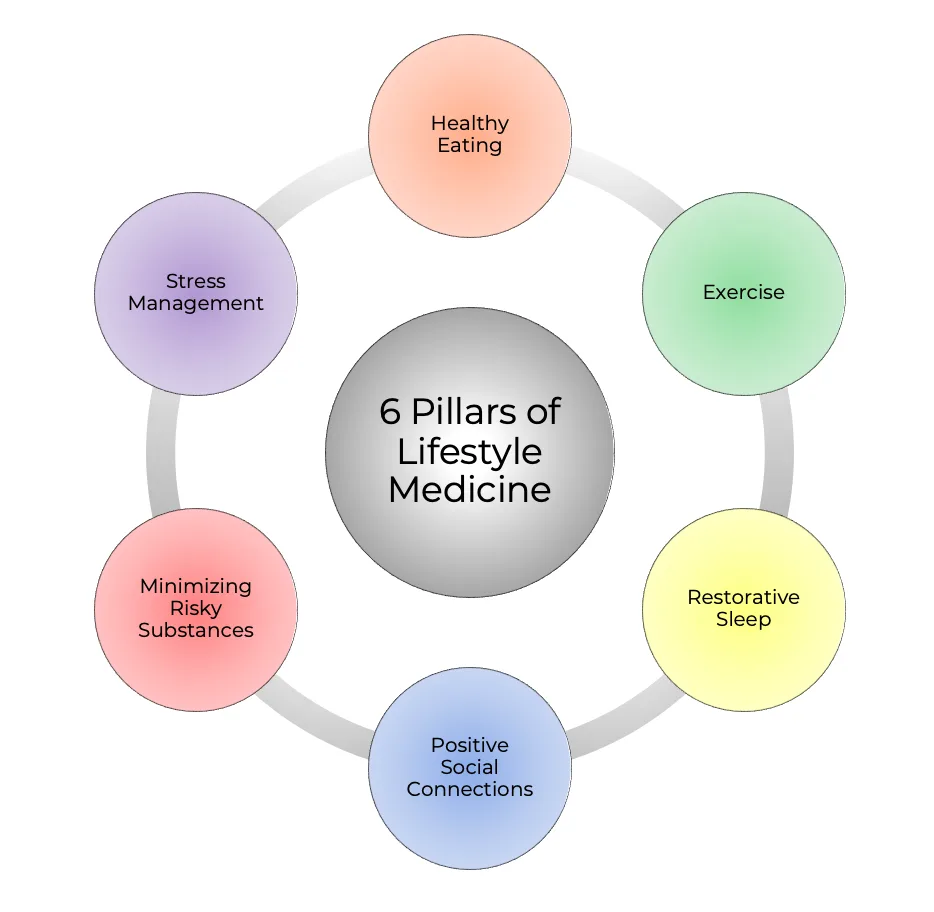
Lifestyle medicine is the practice of treating and preventing disease mainly through daily habits rather than drugs or procedures. The core levers are familiar: sleep, physical activity, nutrition, stress, and avoiding harmful substances like tobacco. The idea sounds modern, but the underlying concept of a lifestyle — a way of living made of habits and routines — has a long history. As Wikipedia explains, the term traces back to psychologist Alfred Adler in 1929, who used "style of life" to describe a person's basic character, and the broader sense of lifestyle as a "way or style of living" has been documented since 1961.
That history matters for one reason. Your habits are not just choices floating free. As the same entry notes, not all aspects of a lifestyle are voluntary — surrounding social and technical systems constrain the options available to you. A founder's schedule, travel, and team norms are exactly such a system. Any plan that ignores that constraint fails, and it fails quietly, one skipped workout at a time.
Why does the desk job beat you up?
Sitting for long stretches, late-night screens, and grab-and-go meals compound. None of them is dramatic on any single day. The damage comes from repetition, which is also why it goes unnoticed until something breaks — energy, mood, or a checkup result.
The pattern is worth naming because startups reward it. Long hours get framed as commitment. Skipping meals gets framed as focus. But a founder who is foggy by 3 p.m. is making worse decisions at exactly the hours when decisions matter most. Then stop treating the symptom with more caffeine.
The practical fix starts with an audit, not a program. For one week, note three things: when you actually sleep, how long you sit without moving, and what you eat when nobody is watching. Most people find the gap between the routine they claim and the routine they run is the real problem.
What does mainstream guidance actually say about sleep?
The consistent, widely accepted advice is simple to state. Adults do better with a regular sleep schedule and enough hours to feel rested, and screens and stimulants close to bedtime work against that. The exact number of hours varies by person and by guidance body, so treat any single figure you see online as a starting point to discuss with a clinician, not a rule.
For founders, the useful reframe is economic. Sleep is when your brain consolidates decisions and clears the fog. Trading it for two more hours of email usually buys you worse email. A fixed wake time, seven days a week, is the single highest-leverage habit most sleep guidance converges on — it anchors everything else.
How much movement does a sedentary day actually need?
Mainstream health guidance consistently favors regular movement spread across the week over heroic weekend sessions. Both structured exercise and activity woven into daily tasks count — a point general lifestyle writing makes as well; an overview of lifestyle examples describes an active lifestyle as one that integrates regular physical activity into daily routines, whether structured or habitual.
For a desk-bound founder, that means two moves. First, break up sitting — stand, walk, or stretch at regular intervals during the day. Second, pick one form of structured exercise you will actually repeat, and protect it like a board meeting. The walking meeting is the cheapest version: it costs no equipment and doubles as thinking time. We covered a connected angle in The Minimum Viable Product Guide: Ship the Boring Version First.
What this means in practice: stop optimizing for the perfect gym plan. Optimize for the one you will still be doing in month six. Consistency beats intensity for desk workers, because the enemy is the chair, not the lack of a personal record.
What about food, when every meal is a meeting?
Nutrition guidance at the mainstream level is unglamorous: mostly whole foods, regular meals, water, and less of the ultra-processed stuff. Startup life attacks this from both ends — investor lunches push rich food, and deadline days push whatever is nearest. Both patterns are fine occasionally. The trouble is when either becomes the default.
Two habits travel well. Eat something with protein early in the day, so afternoon decisions are not running on a sugar crash. And decide your default lunch in advance — the same two or three reliable options — so hunger never gets a vote during a negotiation. Meals are infrastructure. Treat them like it.
Our analysis: treat habits like a runway problem
Founders already know how to handle scarce resources. You track cash carefully because running out ends the company. Health behaves the same way, only the burn is invisible until the balance is nearly gone. The founders who last tend to be the ones who manage energy the way they manage the balance sheet — deliberately, with margins, and without myths about grinding through.
That framing also tells you what to ignore. Anything promising transformation in weeks is selling, not informing. The field's actual promise is slower and duller: better sleep, more movement, and steadier meals compound into more good years of building. Boring, repeatable, and worth it.
Start smaller than feels serious. One fixed wake time. One daily walk. One default lunch. Run them for a month, then add the next. If you would not ship a product feature without measuring whether it worked, do not run your body that way either.
The bottom line for busy builders
Lifestyle medicine asks for less than the wellness industry implies. Sleep on a schedule, move most days, eat like someone who plans to keep working for decades. None of it requires a retreat, a supplement stack, or a 5 a.m. cold plunge. It requires treating your own energy as an asset with a burn rate — and auditing it before it audits you.