Strategy vs. Tactics: The Difference That Decides Outcomes
Most planning fights are really fights about level. Here is how to tell strategy from tactics in a review, and why the confusion costs teams.
Khalid Okonkwo · October 21, 2026Most planning fights are really fights about level. Here is how to tell strategy from tactics in a review, and why the confusion costs teams.
Khalid Okonkwo · October 21, 2026Sleep, movement, and food are operating inputs, not perks. Here is what mainstream guidance actually supports, and what it does not.
Owen Blackwood · October 19, 2026
Financial news channels are built for continuous attention, not occasional accuracy. How operators can take the signal without absorbing the mood.
Lena Fischer · October 15, 2026
India's business aviation growth looks strong on the surface. Here is the checklist for testing whether any fast-growing market can hold the pace.
Lena Fischer · October 14, 2026
Where early-stage companies are forming outside the usual map, and what each regional ecosystem actually rewards.
Owen Blackwood · October 1, 2026
The best Boston startup openings rarely sit on the big job boards. Here is where they show up first, and how to work each channel.
Owen Blackwood · September 29, 2026The sequence that matters: prove someone pays, then quit. Not the other way around.
Owen Blackwood · September 20, 2026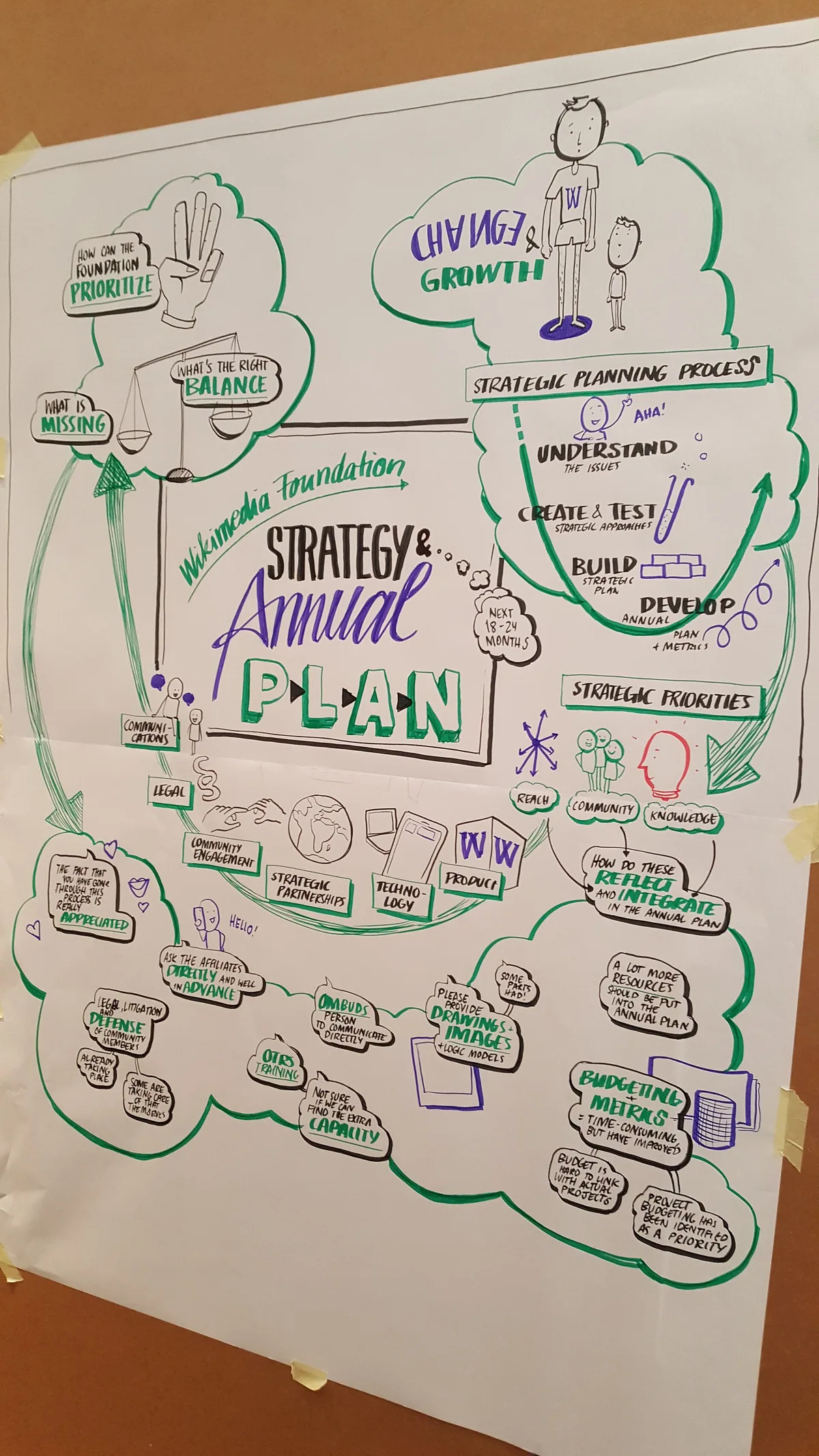
How leadership teams can run a planning cycle that produces decisions, not a deck nobody opens again.
Khalid Okonkwo · October 7, 2026
The city's resource fair bundles lenders, trainers, and free programs into a single two-hour visit — a low-cost shortcut for founders who don't know where to start.
Khalid Okonkwo · September 22, 2026
A strategy on paper earns nothing. What matters is whether the team can act on it without asking you what it means.
Khalid Okonkwo · September 22, 2026
A 30-day playbook for the moment an incumbent ships what you built first: triage the threat, reposition, and change the sales narrative before panic does it for you.
Khalid Okonkwo · September 18, 2026
When you can only afford one go-to-market motion, building for one industry usually costs less to sell, less to defend, and more to expand.
Khalid Okonkwo · September 16, 2026
Public failure is not the end of a founder's career. What actually rebuilds a reputation is slower, duller, and more deliberate than the mythology suggests.
Lena Fischer · September 27, 2026
Most founder mentorships fail before they start — because the ask was vague. Here is how to pick, approach, and keep one without wasting anyone's time.
Priya Vaithilingam · September 23, 2026The hard part of publishing a book is no longer publishing it. The growth of hybrid service firms like MindStir Media shows where authors are spending instead.
Priya Vaithilingam · September 13, 2026The one-document contract Y Combinator built in 2013 now covers a record 93% of pre-seed deals, per Carta — here is what its terms actually commit a founder to.
Priya Vaithilingam · August 12, 2026
The framework is useful. The overclaims are not. Here is what a founder should take from it, and what to ignore.
Owen Blackwood · September 30, 2026
The money goes to the organizations that help small businesses, not to the businesses themselves. Here is what that means and who can apply.
Lena Fischer · September 29, 2026A testing framework for picking the one channel worth your next ninety days — and killing the rest fast.
Owen Blackwood · September 25, 2026Four figures — gross margin, payback period, CAC-to-LTV ratio, and growth rate against market speed — decide whether outside capital helps or merely rents your equity.
Lena Fischer · August 28, 2026
A $1 million SBA award puts Louisiana startups in line for military and commercial work. Here is what the program is and who runs it.
Owen Blackwood · October 10, 2026
The Austin agency takes over paid media and growth strategy for a fitness brand franchising nationally — and the deal's structure says more than its quotes.
Owen Blackwood · October 3, 2026The July 29 FOMC statement kept rates at 3.50–3.75% for a third consecutive meeting — a plateau long enough to be the operating environment, not a phase.
Owen Blackwood · August 10, 2026Post-money SAFEs make your dilution calculable the day you sign — and stack it all onto founders at the priced round. Here is the math, the paperwork, and what to check first.
Owen Blackwood · August 10, 2026