
Topic
Corporate Venture Capital Explained: How Strategic Investors Back Startups
A corporate investor buys more than equity. It buys a relationship — and that changes how you raise, what you give up, and what it checks before wiring money.
A corporate investor buys more than equity. It buys a relationship — and that changes how you raise, what you give up, and what it checks before wiring money.

The two checkbooks look similar from the outside. They buy very different things, and they expect very different things back.

Franchising buys guidance at the price of control; startups buy control at the price of certainty, per SBA's documented framing. Which game fits which operator.
Cash runs out last, not first. The failure usually starts months earlier, in a decision nobody wrote down.

Headcount doubles and communication quietly triples. Here is where the fractures appear, and what to fix before they show up in the numbers.

Repeat founders change less than the mythology says. The habits they carry are mostly about caution, not confidence.

Most planning fights are really fights about level. Here is how to tell strategy from tactics in a review, and why the confusion costs teams.

Sleep, movement, and food are operating inputs, not perks. Here is what mainstream guidance actually supports, and what it does not.

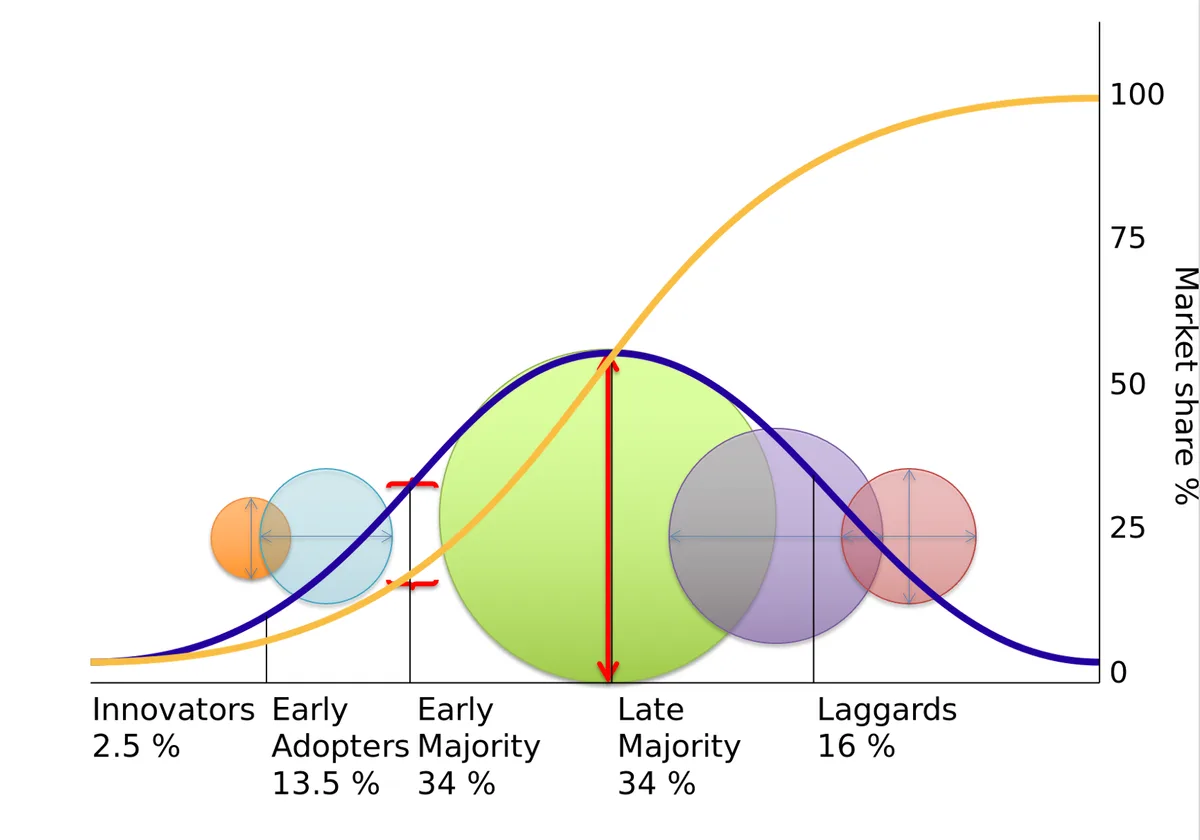
The framework is useful. The overclaims are not. Here is what a founder should take from it, and what to ignore.

The best Boston startup openings rarely sit on the big job boards. Here is where they show up first, and how to work each channel.