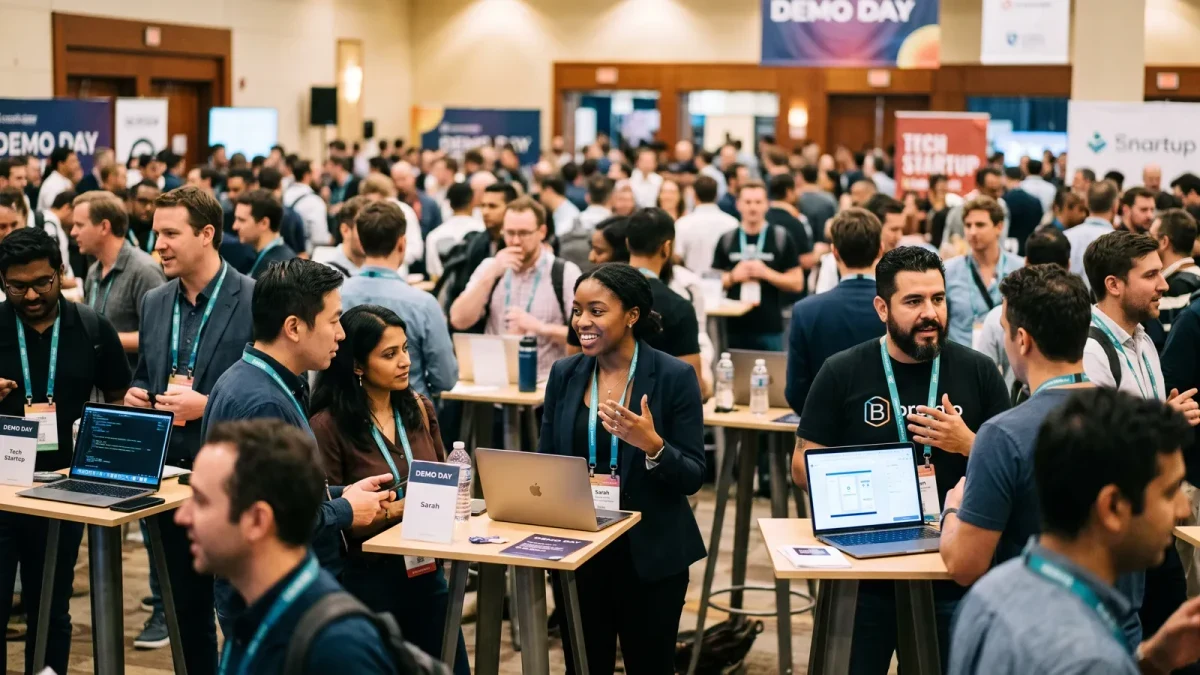
Y Combinator's Winter 2026 (W26) batch numbers 196 companies, per the complete batch database compiled by The VC Corner, with Forbes publishing its "most promising" selection on March 16, 2026. Read as a dataset rather than a graduation ceremony, the batch is the cheapest market-research document available to founders: 196 teams, funded months earlier by investors who see thousands of applications, voting with two years of their lives on where the opportunity is. The headline signal is unsurprising but its texture is useful — AI agents in every vertical, from production-incident response to physical-world simulation, with the infrastructure layer largely conceded to the mega-funded labs.
This is analysis of publicly reported batch data, not an endorsement of any company.
What the batch looks like
Per the YC directory and third-party trackers, the W26 cohort spans developer tools, fintech, healthcare, hardware, and consumer companies, with AI-native teams the clear center of gravity — trackers like TLDL catalog the AI cohort specifically, including teams like IncidentFox, an AI agent for production incidents, and One Robot, building world-model simulations. Forbes' March 16 feature highlighted standout companies across the batch. The structural observation underneath the product list: almost no W26 team is building foundation models — the application and vertical-agent layer is where this generation of founders has placed its bet, consistent with the capital map after the labs' mega-rounds earlier in the year.
Why should a founder outside the batch care?
- Competitive forecasting: these 196 companies are your future competitors and adjacents; the batch directory is a free, dated map of the attack routes into your category over the next two years.
- Positioning calibration: if five W26 companies describe themselves the way your pitch deck does, your differentiation language is already a commodity — better to learn it now than at a partner meeting.
- Hiring market: batch companies cluster in hiring pulls post-demo-day, so engineering talent in batch cities tightens for a quarter; founders hiring in that window should expect it.
The often-missed detail: batch density is a lagging indicator of consensus. By the time 196 funded teams converge on vertical AI agents, the whitespace has moved to the unglamorous layers — integration depth, compliance, the vertical-specific data nobody has assembled. The contrarian value of a batch map is finding what isn't there.
What to do with it
An afternoon with the directory: filter for your vertical, read the one-liners, and mark three things — teams adjacent to your wedge (watch), absences in your layer (opportunity), and recurring descriptor language you also use (revise your positioning). Then return to your customers, because the batch tells you where founders are going, and your retention curve still tells you whether you were right. Both maps matter; only one pays your bills.