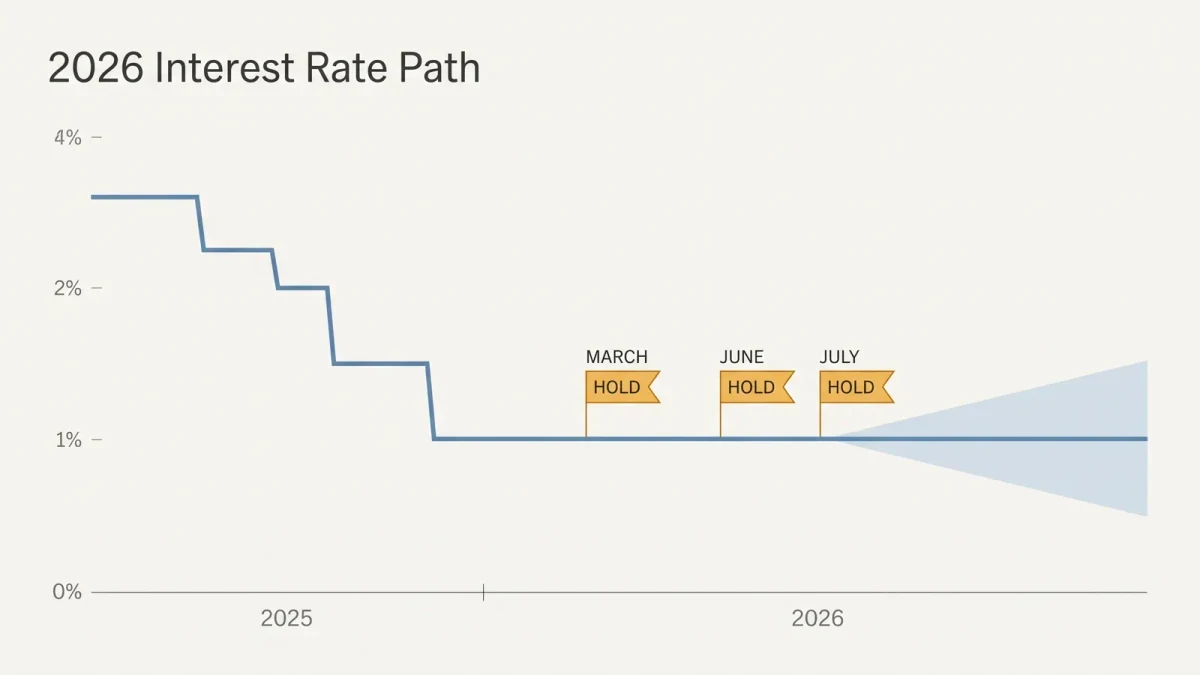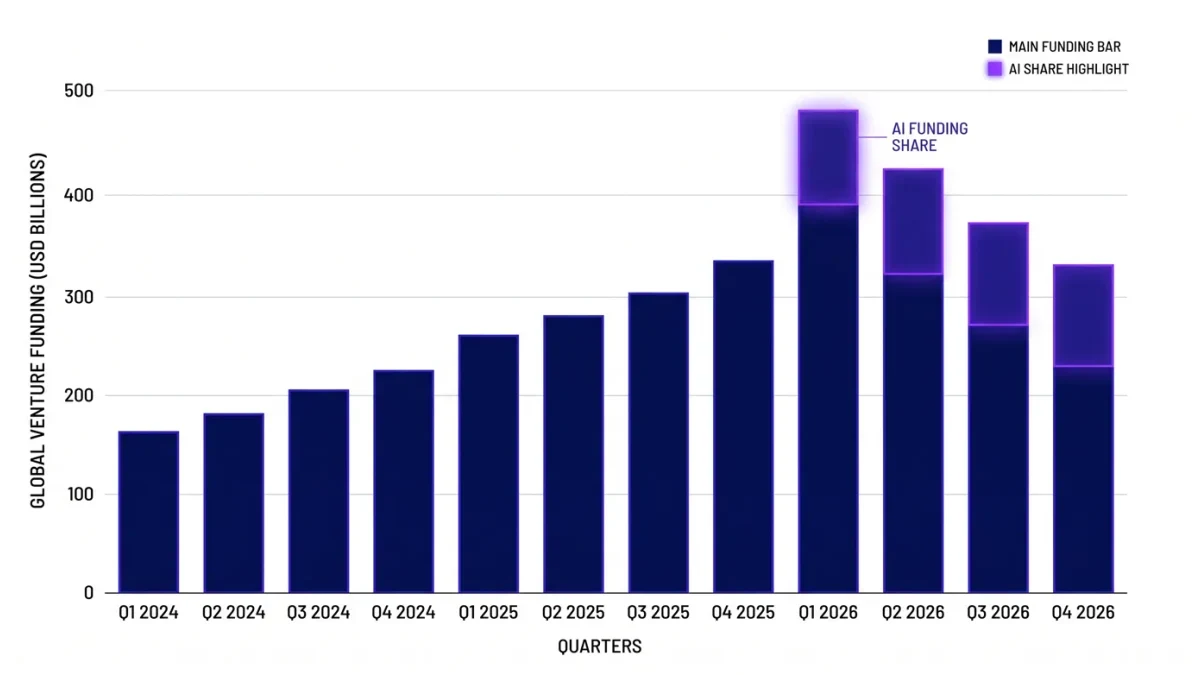
The first half of 2026 closed with two numbers founders should hold together: $506.2 billion raised globally by startups — tracking toward a $1 trillion year, up 128% versus 2025, per Dealroom's global guide — and 105 U.S. IPOs by mid-July per Renaissance Capital's tracker, with June the busiest month at 19 listings. The two figures tell one story from both ends: money is abundant at the top of the private stack, and the public exit window that froze for years has genuinely reopened.
What the funding number contains
Dealroom's $506.2 billion H1 figure inherits February's record concentration: the mega-rounds at OpenAI, Anthropic, and Waymo dominate the aggregate, and the honest read for founders outside the top tier remains the bifurcation story — a healthy, selective market for seed through growth, layered under a historic concentration in AI infrastructure. Q2's IPO data adds a structural footnote: 48 U.S. IPOs raised roughly $105 billion in the quarter per US News's IPO review, meaning public-market appetite is itself being trained on large, AI-adjacent and profitable listings rather than a broad reopening of 2021-style speculative windows. Per Crunchbase's full-year 2025 tally, U.S. startups raised $328 billion in 2025 — a base the 2026 pace would more than double if the trajectory holds.
Why the exits number matters more for founders
- M&A thaws when IPOs price: acquisitions are priced off public comparables; a functioning IPO window raises the valuations acquirers can justify, which flows directly into strategic-exit math for growth-stage companies.
- Secondaries reprice: late-stage funds buying founder and employee shares price against public comps too — an open window improves partial-liquidity terms for founders running profitable independent companies.
- The pipeline effect: with 2026's IPO calendar carrying AI, fintech, and defense names per Crunchbase's outlook, the companies filing now are tomorrow's reference set for what "IPO-ready" means — a useful benchmark for any founder whose board has a five-to-seven-year exit thesis.
The overlooked detail: June's 19-listing peak against March's low of 8 shows the window opening unevenly — bursts of activity clustered around market-friendly weeks, not a steady door. Companies preparing listing materials for a 2027 window should build for flexibility, not a calendar.
What to do with this
If you're raising: the H1 numbers are context, your tier's comps are price — use both, quote the first with attribution. If you're building with an exit thesis: the reopened window is a reason to tighten the readiness items — clean IP, transferable revenue, audited-adjacent books — while the mood is good, because windows like this historically stay open on their own schedule, not yours. Strong half; open door; same boring preparation that makes either one usable.