Financial news channels sell a feeling first and a fact second. The order matters more than it sounds. The ticker gives them the material; the live format gives them the tempo. For an operator who makes decisions on money, knowing how that tempo is manufactured is not media criticism. It is reading comprehension for the machine your customers, lenders, and investors also watch.
The caveat: mood is not fiction. Markets really do move on mood. A channel that moves mood moves outcomes. The skill is taking the signal without absorbing the weather.
What Are These Channels Actually Built to Do?
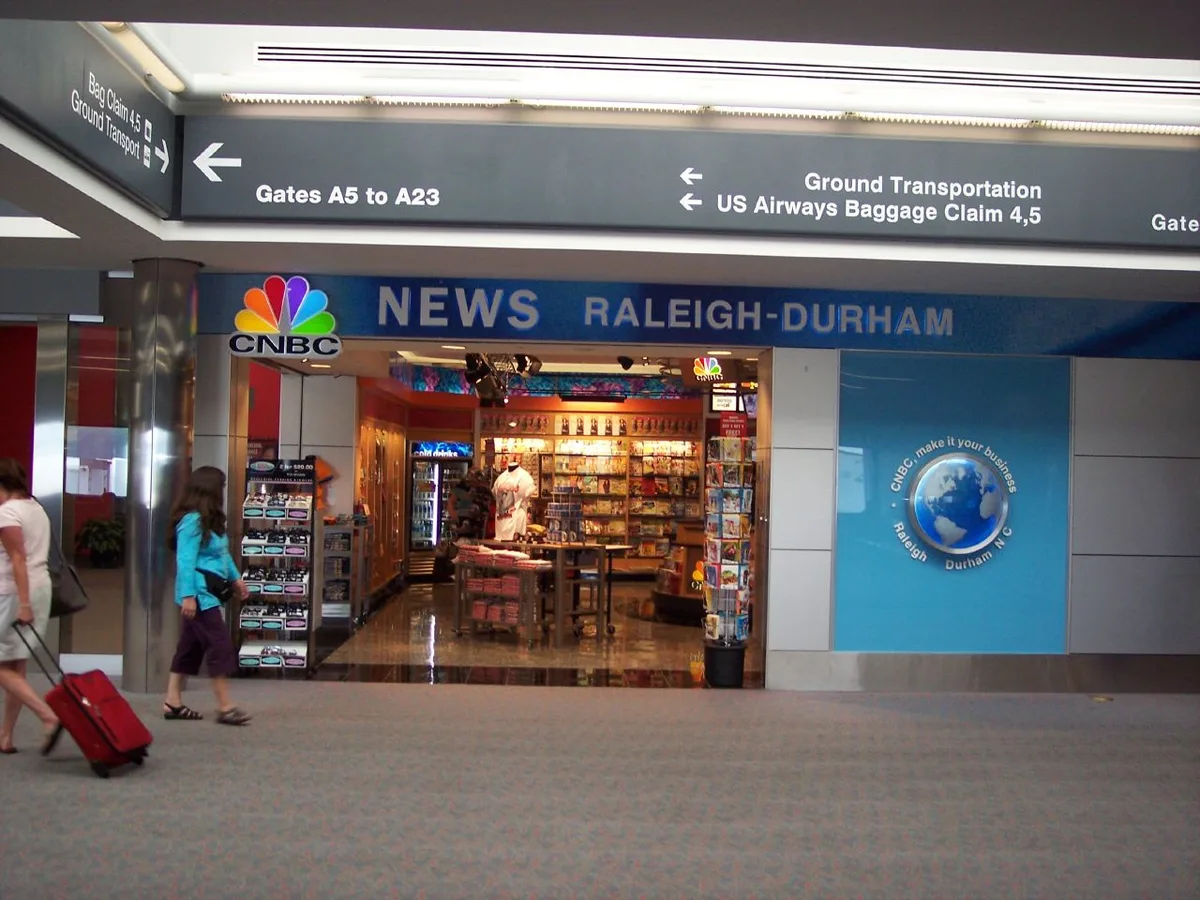
Fill the clock with business programming. The schedule tells the story. The best-documented example, CNBC, broadcasts live business news through the morning, the trading day, and early evening, with prime time and weekends given to documentaries and reality shows, per the network's own documented schedule. The shape is not accidental. Live hours monetize urgency; leisure hours monetize personality.
Compare that grid with your decision calendar. The channel runs on constant attention. You run on rare, careful choices. The mismatch is the whole problem. You do not need their hours; you need their best minutes, which arrive on a schedule you can plan around.
Why Does the Format Push Toward Mood?
Because blank minutes are dead air. A print reporter can wait for a fact. A live desk at two in the afternoon cannot. So the gap gets filled with commentary, and commentary drifts toward what keeps eyes on the screen: drama, big names, and strong claims. Media scholars file the result under infotainment — programming that blends information and entertainment — a term that has carried a mild warning label since it was coined in 1980, per the documented usage.
None of this needs bad intent. It needs a camera, a schedule, and a rival running the same format an inch to your left. The format itself does the work. Readers following this should also see Walden Media Group Lands Training Mate as Franchise Marketing Work Shifts to Specialists.
What Does Channel Mood Do to Real Decisions?
It sets the water temperature. Customers hear the same segment you do and slow their orders. Lenders hear it and tighten terms. Investors hear it and reprice risk. An operator who watches the same feed raw feels the current twice. Once through the screen. Once through every other party who watched. This connects to our earlier piece, Anthropic Closes $30 Billion at a $380 Billion Valuation: Read-Through for Founders.
The documented structure makes the point concrete. When prime-time hours shift from market analysis to personality programming, the audience is being served engagement, not analysis. Decisions deserve the second thing.
How Should an Operator Consume the Channel?
On your schedule, not theirs. The setup is short:
- Watch recorded segments tied to events: earnings, policy dates. Never the open-ended hours
- Separate the report from the read: what happened is data, what it means is opinion until sourced
- Keep one primary document habit — a filing, a dataset, a transcript — behind every decision the coverage touches
Then use the channel as a sensor, not an advisor. If three networks flag the same shift in a week, something real probably moved. That is a research prompt, not a verdict. The sensor habit costs twenty minutes a week and catches what matters: real changes, repeated across outlets, worth a document behind them.
Conclusion: Take the Signal, Skip the Weather
Financial news channels are mood machines with a documented business model: live hours for urgency, prime time for personality, all of it competing for continuous attention. Operators who understand the grid stop renting their emotional state from it. Watch the scheduled events, demand the primary document behind every claim, and treat repeated signals as prompts for research. The market's mood is a programming choice made in a control room. Your decisions deserve better inputs. Watch less, verify more, and let the ticker entertain someone else.