
Topic
Corporate Venture Capital Explained: How Strategic Investors Back Startups
A corporate investor buys more than equity. It buys a relationship — and that changes how you raise, what you give up, and what it checks before wiring money.
A corporate investor buys more than equity. It buys a relationship — and that changes how you raise, what you give up, and what it checks before wiring money.

Franchising buys guidance at the price of control; startups buy control at the price of certainty, per SBA's documented framing. Which game fits which operator.
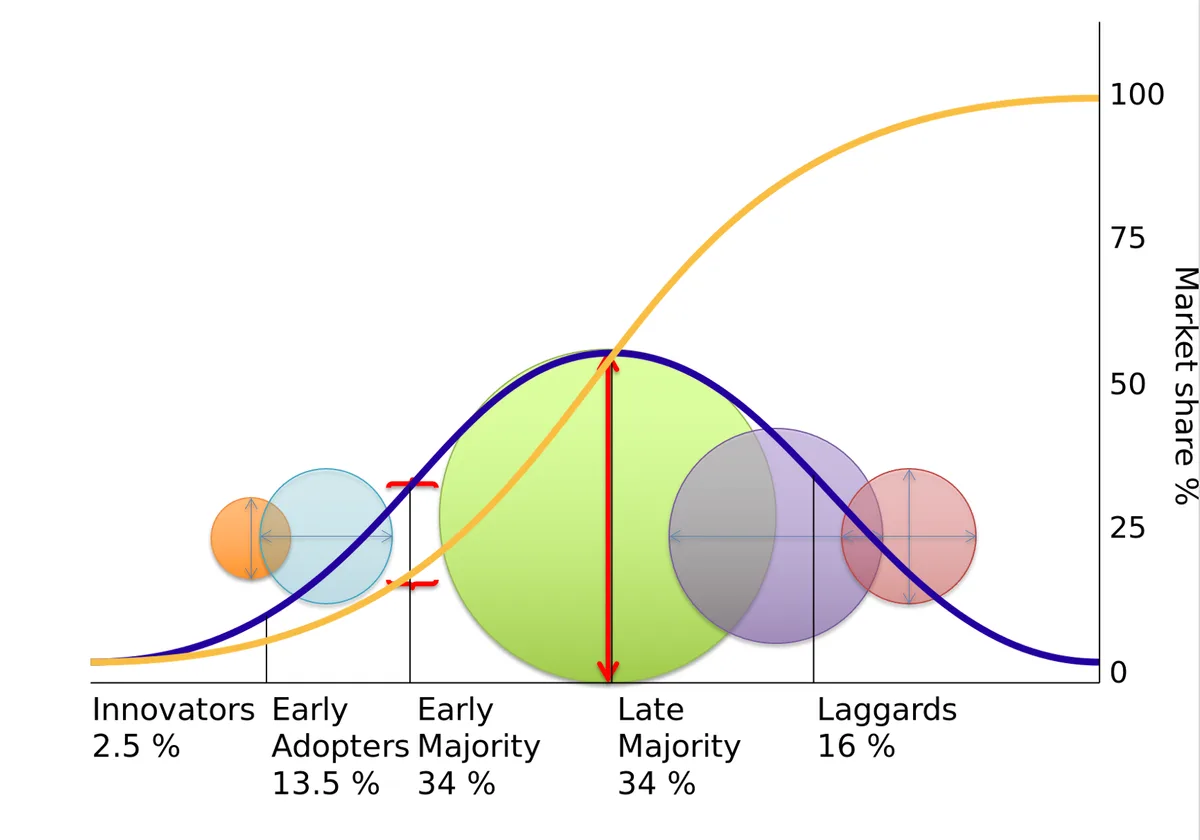
Cash runs out last, not first. The failure usually starts months earlier, in a decision nobody wrote down.

Buying an existing business trades cash for proof: established customers, trained staff, and known expenses, per SBA guidance — if diligence finds why it's for sale.

Headcount doubles and communication quietly triples. Here is where the fractures appear, and what to fix before they show up in the numbers.

Repeat founders change less than the mythology says. The habits they carry are mostly about caution, not confidence.

Most planning fights are really fights about level. Here is how to tell strategy from tactics in a review, and why the confusion costs teams.

A $1 million SBA award puts Louisiana startups in line for military and commercial work. Here is what the program is and who runs it.
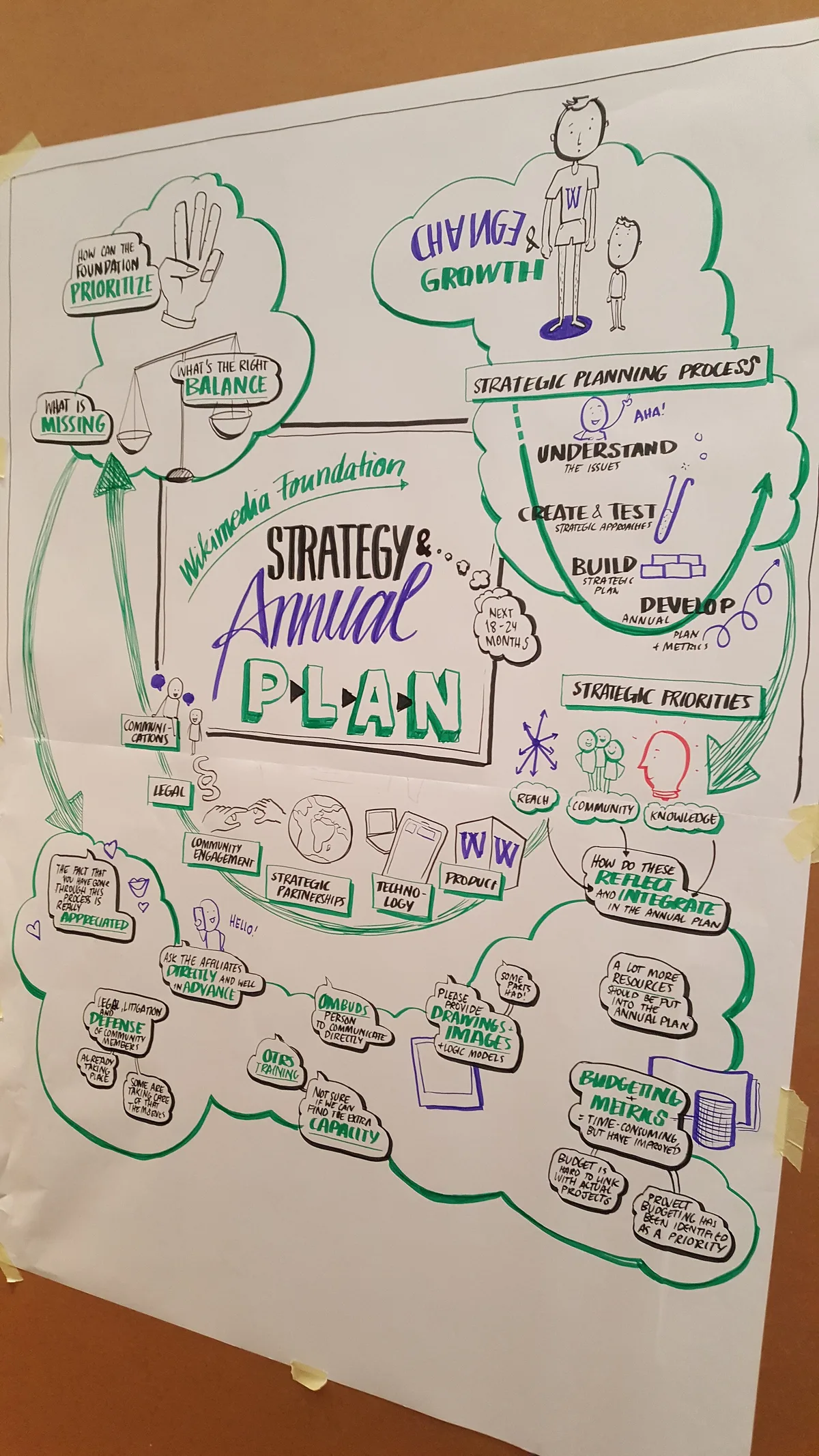
How leadership teams can run a planning cycle that produces decisions, not a deck nobody opens again.

The Austin agency takes over paid media and growth strategy for a fitness brand franchising nationally — and the deal's structure says more than its quotes.