Cold email still works — for narrow lists, researched messages, and small asks — and fails predictably when it's broadcast: purchased lists, template blasts, and follow-up sequences that treat silence as a buying signal. The economics that make it worth doing: a hundred carefully chosen prospects with a genuinely researched first line will outperform ten thousand scraped contacts, every time, at a fraction of the reputation cost. Cold email is a sniper tool that founders keep using as artillery.
Commercial email is regulated — CAN-SPAM in the U.S. and similar laws elsewhere govern identification, opt-outs, and truthfulness. This guide covers mechanics, not legal compliance; confirm your obligations.
What makes a cold list good?
Three properties: fit — every address matches your proven best-customer profile (industry, size, role, the trigger you've observed); reason — you can articulate why you're contacting this specific person beyond "they match filters" — a job posting, a funding round, a public complaint, a product launch; size — small enough to research personally, typically 50–200 per campaign. Build lists from trigger events rather than static firmographics: the company that just opened a role matching your workflow has a live problem with a budget line. Trigger-based lists routinely convert several times better than title-based lists because the recipient's context does half the persuading.
What does a message that gets replies look like?
- Subject: 2–5 words, lowercase, specific — "invoice reconciliation at [Company]" not "Revolutionizing your finance stack."
- First line: the researched reason, proving this isn't a blast. Skip it if you can't write it honestly — that's the list's fault, fix the list.
- Body: 3–5 sentences total. Their situation, what you do in their vocabulary, one line of proof (a named similar customer or a concrete number), a small ask.
- Ask: low-friction and specific — "worth a 15-minute look this week?" — never "quick call to explore synergies."
- Signature: a real person, a real role, a working reply path. Send from your name, not a sequence tool's no-reply theater.
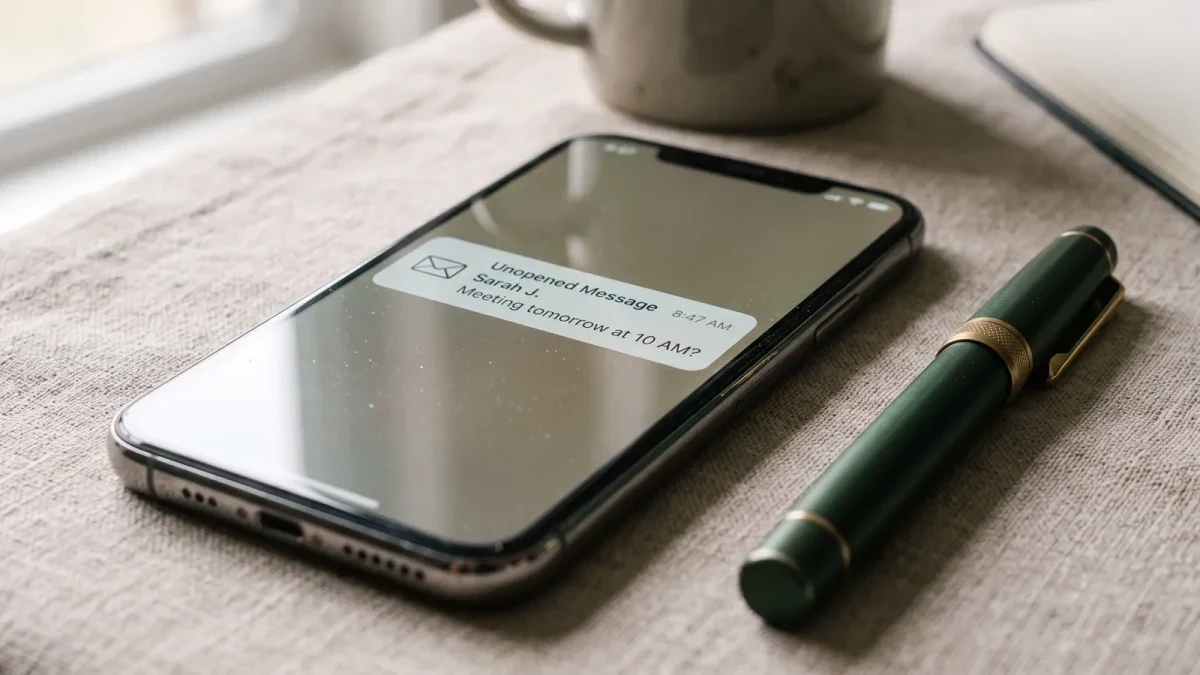
The mobile test: read the draft on a phone. If the value isn't visible before the fold, the message doesn't exist. Per the U.S. Small Business Administration's guidance on direct outreach, personalized contact with a clear value proposition remains the most reliable early-stage sales tactic — the craft is making "personalized" true at scale-of-dozens, which is the whole trick.
How do follow-ups work without becoming a pest?
Two to three touches, spaced a week apart, each adding information rather than pressure: touch two brings a different proof point or a one-line case study; touch three is the graceful close — "closing the loop on my note; if [problem] isn't a priority this quarter, no reply needed." That final message consistently earns both replies and goodwill, because it signals a professional who won't haunt the inbox. What never works: "just bumping this to the top of your inbox" four times — silence is an answer, and pestering converts a maybe-later prospect into a never.
What infrastructure keeps deliverability alive?
| Item | Practice |
|---|---|
| Domain | Send cold outreach from a secondary domain (acme.co alongside acme.com) so reputation risk never touches corporate mail |
| Authentication | SPF, DKIM, DMARC set up before the first send — deliverability is earned in DNS |
| Volume | Warm new mailboxes gradually; tens of researched sends daily, never thousands |
| Unsubscribe | A working opt-out honored immediately — required by law and respected by filters' feedback loops |
| Measurement | Track positive replies, not opens — opens are spy-pixel guesswork post-2024; replies are the product |
The teams that kill their outbound channel all skipped a row of this table and discovered it when everything landed in spam.
How do you know the campaign is working?
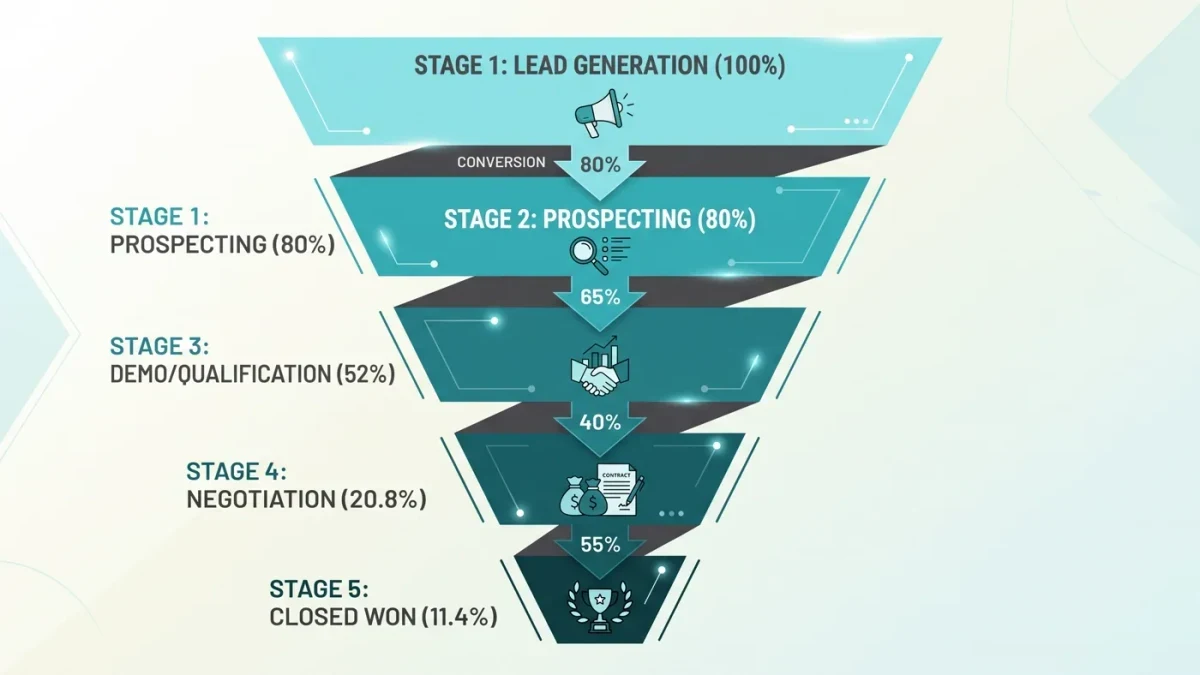
Benchmarks for honest, researched B2B outreach: 40–60% open is noise; what matters is a 5–15% reply rate with positive replies above 2–5% of sends, meetings booked, and — the only number that pays rent — deals closed per campaign against the fully loaded cost of producing it. Diagnose by stage: replies but no meetings means the ask is heavy; meetings but no deals means the list is wrong about pain, not the copy; no replies at all means the first line isn't landing or deliverability died — check the table before rewriting the template again. Write for one reader, send to a researched hundred, follow up like a professional, and measure replies only. Then stop scaling the list and start improving the trigger.